
Why FOB vs. CIF Matters in International Petroleum Trade: Which is Better?
Discover the critical differences between FOB and CIF in global petroleum trading. Learn which Incoterm is better for your procurement strategy when buying EN 590, Jet A-1, and Fuel Oil.
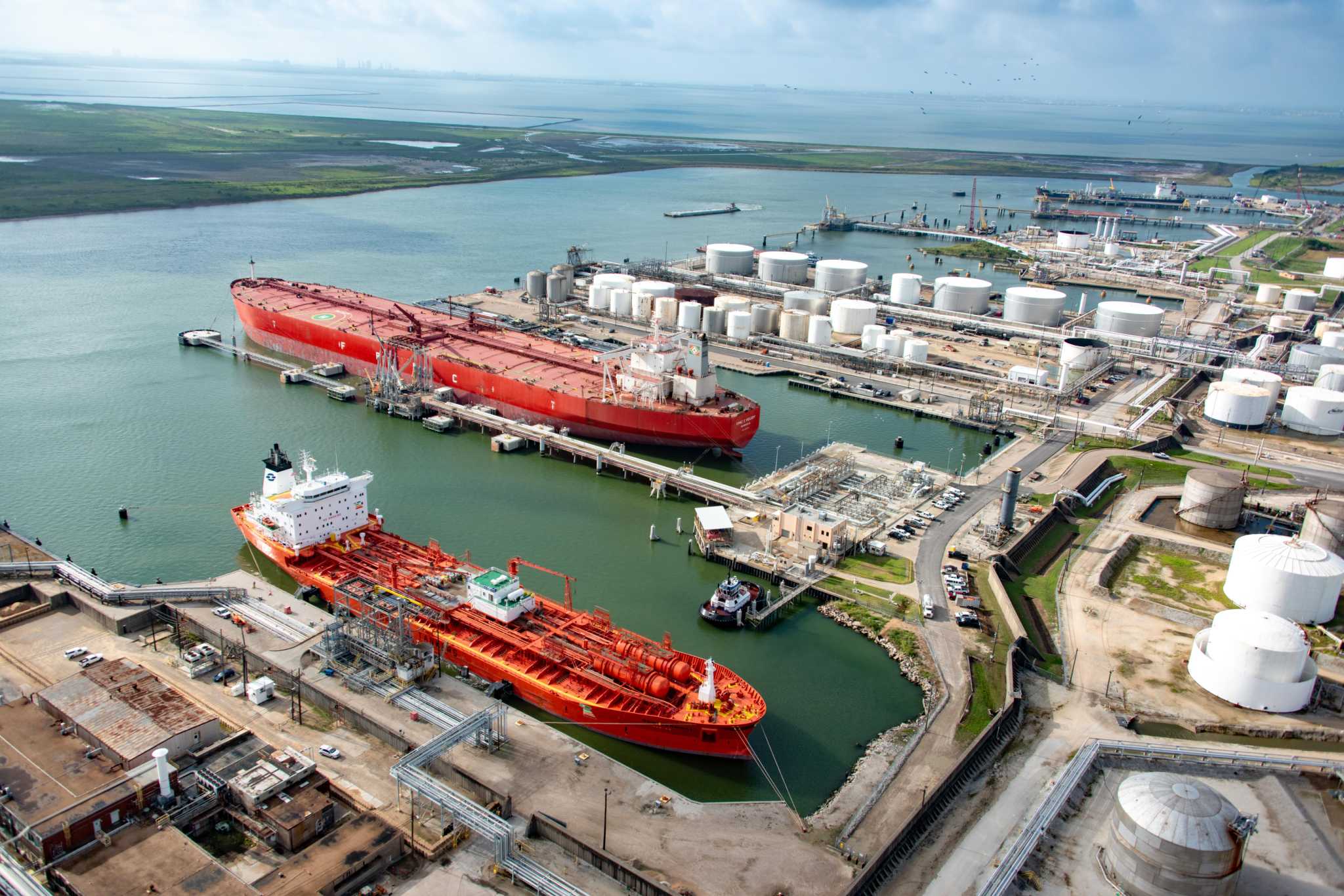
1. The Foundation: What Are Incoterms?
International Commercial Terms (Incoterms) are universally recognized rules published by the International Chamber of Commerce (ICC). In the context of global energy trading, petroleum buyers and sellers use these terms to clarify tasks, costs, and risks associated with global transportation.
For the physical movement of millions of barrels of refined fuels across major global trading hubs like Rotterdam, Houston, Singapore, and Fujairah, FOB and CIF represent the two dominant structural frameworks.
2. What is FOB (Free On Board)?
Under a FOB (Free On Board) agreement, the seller (e.g., Karmys Energy) clears the petroleum products for export and loads them onto the vessel nominated by the buyer at the named port of departure.
The Transfer of Risk and Cost
The exact moment the oil passes the ship's rail at the loading port, all liability, risk, and subsequent costs abruptly transfer from the seller to the buyer. The buyer is entirely responsible for:
- Chartering the marine vessel (shipping freight).
- Purchasing comprehensive marine cargo insurance.
- Import clearance and offloading at the destination port.
Why Choose FOB?
FOB is the absolute gold standard for major international traders, sovereign governments, and large-scale wholesale distributors who possess logistical expertise. The primary advantage of FOB is control. By securing their own freight and insurance, experienced buyers can negotiate better maritime rates, track their cargo seamlessly, and maintain operational flexibility if a vessel needs to be abruptly rerouted to a more profitable market mid-transit.
3. What is CIF (Cost, Insurance, and Freight)?
Under a CIF (Cost, Insurance, and Freight) agreement, the seller assumes the heavy lifting. The seller is responsible for paying the costs, freight, and insurance necessary to bring the refined petroleum directly to the buyer's named port of destination.
The Transfer of Risk and Cost
While the seller pays for the freight and insurance, the actual risk of loss or damage to the goods still transfers to the buyer as soon as the fuel is loaded onto the vessel at the port of origin. However, the buyer does not have to deal with the logistical nightmare of finding a tanker or negotiating insurance premiums.
Why Choose CIF?
CIF is highly favored by new entrants, regional distributors, and end-users (like national energy grids or large construction syndicates) who require the fuel but do not possess the infrastructure to charter international crude carriers. The seller handles the complexities of maritime logistics, providing the buyer with a predictable, all-inclusive landed cost.
4. FOB vs. CIF: Which is Better for Your Operation?
There is no universal "better" option; the superior choice is entirely dependent on your company's scale, infrastructure, and risk tolerance.
| Feature | FOB (Free On Board) | CIF (Cost, Insurance, Freight) |
|---|---|---|
| Control Over Shipping | Total Buyer Control (Can reroute) | Seller Control (Predictable but inflexible) |
| Overall Cost Profitability | Higher potential margins if shipping expert | Higher upfront cost (seller includes risk premium) |
| Logistical Complexity | High (Buyer must charter vessels) | Low (Seller handles maritime logistics) |
| Ideal Buyer Profile | Major Trading Houses, Experienced Importers | New Importers, Regional End-Users |
5. How Karmys Energy Approaches FOB and CIF
As a premier global energy trading company, Karmys Energy is uniquely positioned to handle both paradigms with world-class efficiency. Operating from major global trading hubs, we provide both high-volume traders and regional buyers with exactingly structured commercial frameworks.
- For Major Traders: We offer hyper-competitive FOB pricing at key departure hubs, ensuring rapid vessel loading, strict adherence to quality verifications (SGS/Saybolt), and seamless export documentation.
- For Regional End-Users: We orchestrate the entire maritime supply chain, offering comprehensive CIF deliveries to ports across Europe, Asia, and the Americas, shielding you from volatile freight markets.
Ultimately, if your organization possesses heavy logistical infrastructure, FOB will universally yield higher profit margins. If your priority is a hands-off, guaranteed delivery to your home port, CIF is the overwhelmingly superior choice.
Ready to Source Premium Petroleum?
Contact the Karmys Energy trading desk today to secure world-class allocations of EN 590 Diesel, Jet A-1, and Fuel Oil via secure FOB or CIF frameworks.
Related pages
EN 590 Diesel — Product Page · Jet A-1 Aviation Fuel · Logistics & FOB/CIF Guide · EN 590 Diesel Supplier Guide
Karmys Energy — premier global petroleum products export. This article is for informational purposes. Indicative prices and commercial terms are provided upon request. © 2026 Karmys Energy.